Read right to left — year, month, day, hour — the way Korea has written it since the Joseon calendars. The red seal marks 日主, the day master: the seat read as you.
Korean Saju · 四柱 Four Pillars · in plain English
Eight characters. One of you.
Saju writes the moment you were born as four pillars — year, month, day, hour — each a pair of characters from the Chinese-Korean calendar. The chart here is drawn for this very minute, wherever you are. Enter your birth details and it becomes yours.
Free to begin · No account or card needed · Hour boundaries above use plain 2-hour watches; your full chart applies birthplace solar time.
Reading the chart
Ten stems above. Twelve branches below. Sixty pairs, then the cycle begins again.
Every pillar stacks a Heavenly Stem (天干) on an Earthly Branch (地支). Stems carry the five phases in a yin or yang form; branches carry the twelve animals and the seasons. Pair them in order and you get the sixty-year cycle — from 甲子 gapja to 癸亥 gyehae — that Korean calendars have counted for centuries. Turning sixty is called hwangap (환갑): you have come all the way round.
The character in the day pillar's upper seat is the day master — the seat the tradition reads as you. Everything else in the chart is read in relation to it.
Two per phase — one yang, one yin. 甲 gap is yang Wood, the tall tree; 乙 eul is yin Wood, the vine.
The twelve animals, the twelve months, and the twelve two-hour watches of the day.
Stems and branches advance together; 10 and 12 first meet again at 60.
Where this year sits on the ring
Each tick is one year of the sixty; the labels mark every tenth pair, counting from 甲子 gapja. The indigo mark is this year. Enter your birth date above and a cinnabar mark shows the year you arrived — and how far round the ring you have come.
Begin where you are
Some questions stay with us.
You don't need to have it all figured out. Choose the one closest to your life right now — a relationship, a decision, a dream, the room you live in, or the face you meet in the mirror.
Two charts side by side, and the differences worth talking about.
Explore our patterns ↗ 業eop · work “Is this still the right path for me?”Bring a concern about work, money, or a change you are weighing.
Start with my concern ↗ 夢mong · dream “Why did that dream stay with me?”Make room for the images, feelings, and questions you woke up with.
Explore my dream ↗ 風水pungsu · wind & water “Which way does my door face?”Feng shui, sitting and facing: eight directions read as weather over your four pillars. No cures, no moving house.
Read my room ↗ 相sang · face “What does my face carry?”A front-facing photo that never leaves your browser, set beside your four pillars — forehead, cheeks and jaw as a map, not a diagnosis.
Set a face beside my chart ↗Explore the tools and sample readings now. Paid readings are in preparation.
Five phases · 五行
Nature gives us a language for what we feel.
Growth. Expression. Grounding. Clarity. Depth. Five ways of being, painted the way Korea has painted them — in ink, on hanji, with one colour each.
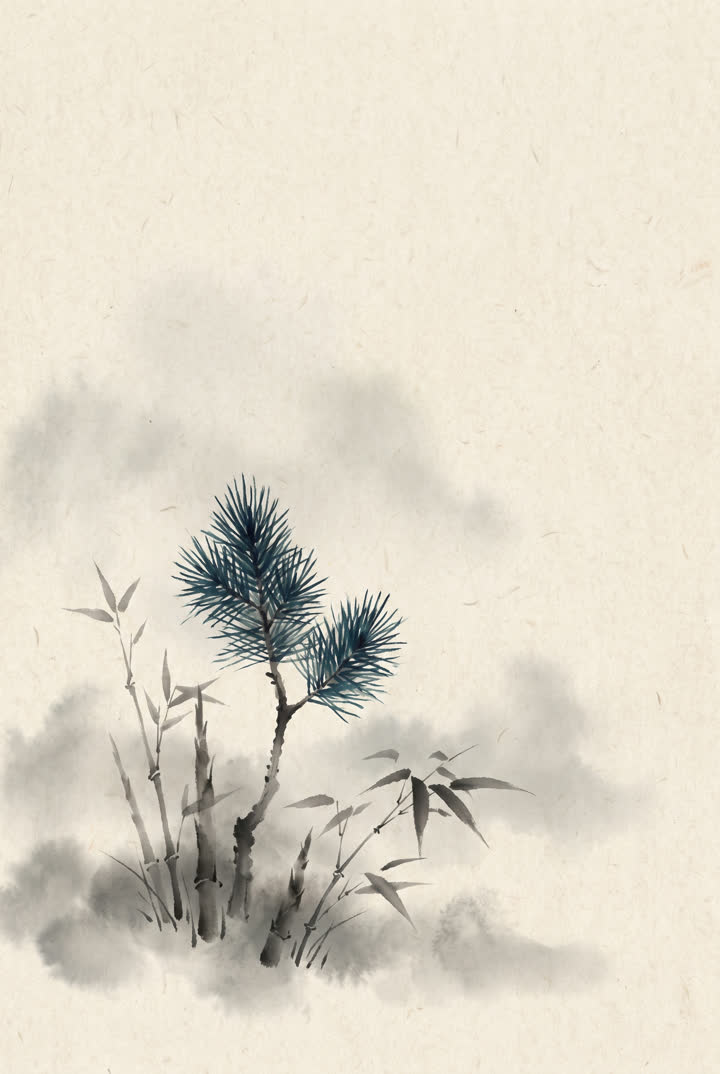
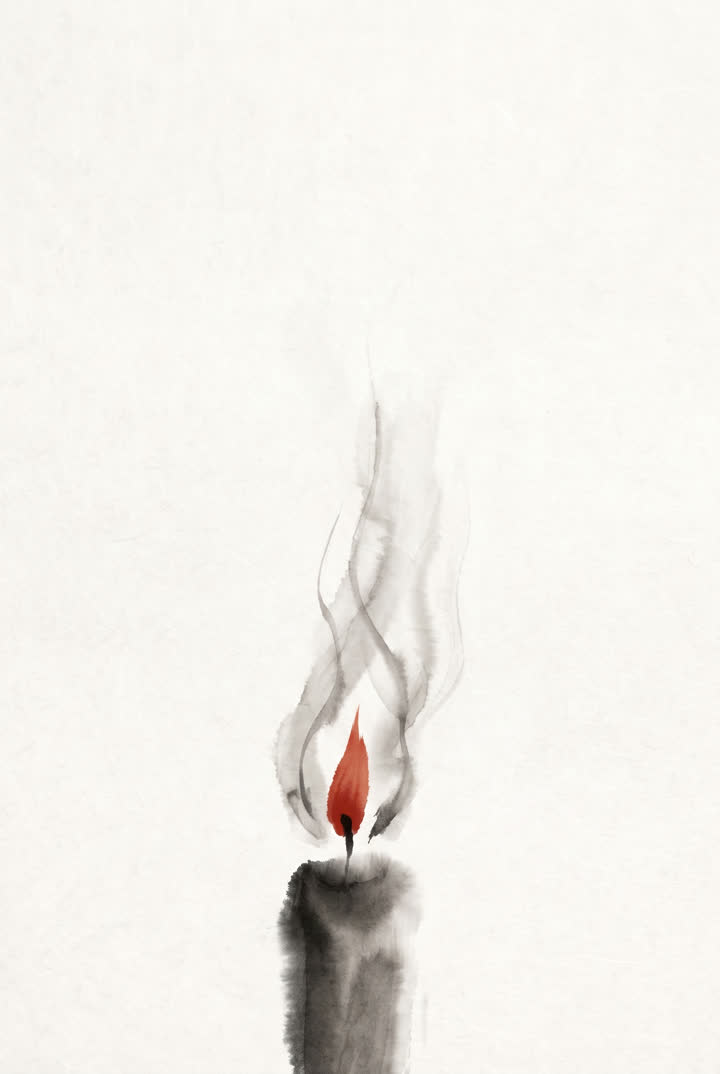
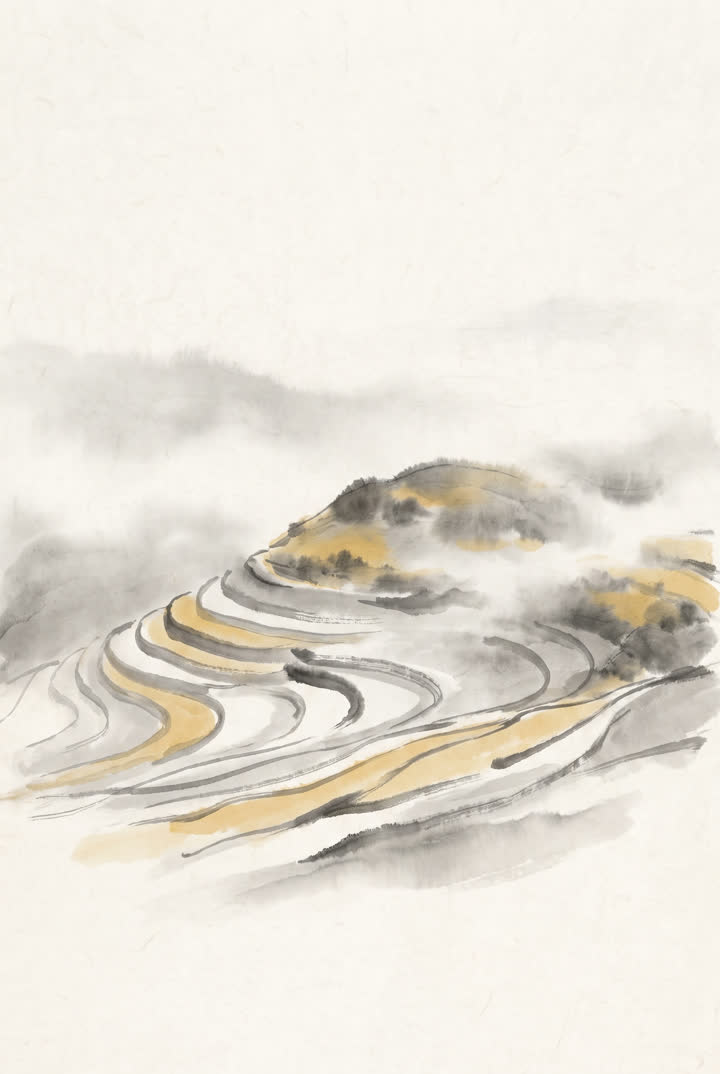
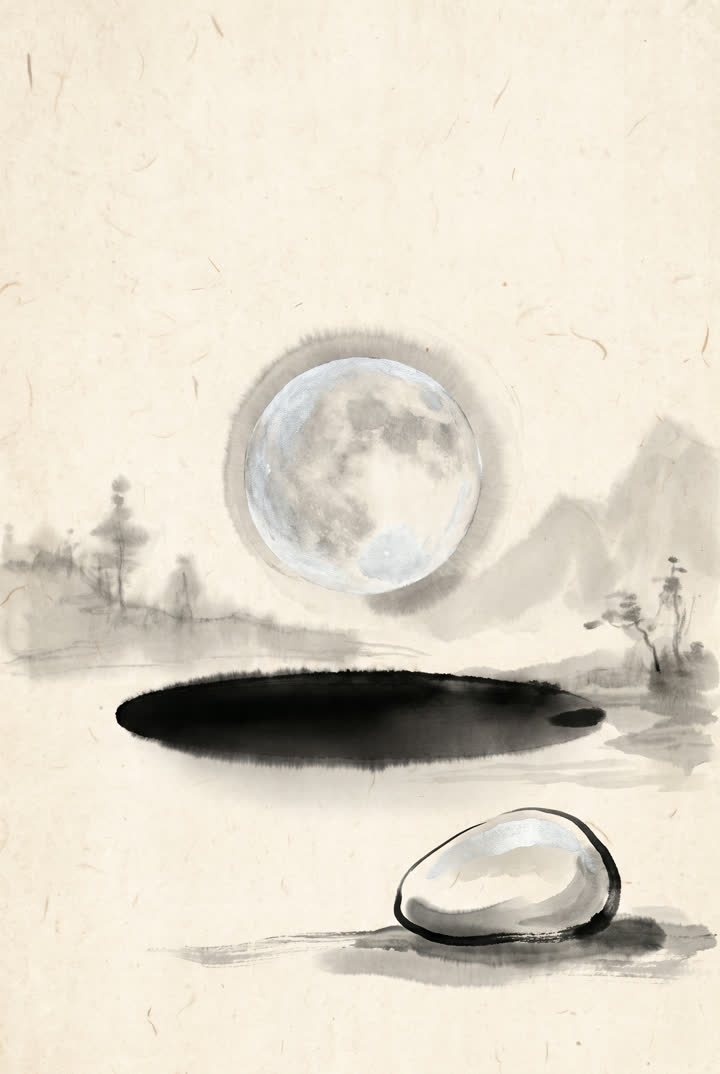
Wood feeds Fire, Fire makes Earth, Earth bears Metal, Metal carries Water, Water grows Wood — the generating cycle around the outside. The dotted star inside is the controlling cycle: what keeps each phase from running away with itself. Read them as symbols for reflection, not as physics.
branches 寅卯 in·myo
branches 巳午 sa·o
branches 辰戌丑未 jin·sul·chuk·mi
branches 申酉 sin·yu
branches 亥子 hae·ja
Colours follow obangsaek (오방색), Korea's traditional five-direction palette — the same colours the chart above uses for each character.
A gentle beginning
Your story. A fresh perspective.
Three steps, none of them a commitment. Not sure of your birth hour? You can still begin with an unknown-hour chart of three pillars.
Start my free chart ↗Start with your birth details
Date, local time, and birthplace. The chart converts your time zone and applies a longitude-based solar-time correction, so a birth in Lisbon and one in Seoul are each read by their own sun.
Meet your four pillars
Your eight characters, each explained in everyday English — which phase it carries, what season it belongs to, and how it sits beside your day master.
Make room for reflection
Follow one pattern. Save a preview on your device. Read a complete sample before you consider a detailed report.
Read a report sample ↗A few things to know
Curiosity is a good start.
What is Saju, exactly?
Saju (사주) means “four pillars.” It is the Korean form of a calendar tradition shared across East Asia: the year, month, day and hour of birth, each written as a stem–branch pair, read through the five phases and yin-yang. Unha explains it in everyday English, with the Korean and Chinese terms alongside so you can follow the tradition itself.
Does it tell me what will happen?
No. A chart offers traditional interpretations and prompts to reflect on. It cannot establish your personality or predict events. Your circumstances, your relationships and your choices remain yours.
I wasn't born in Korea. Does it still work?
Yes. Enter your birthplace and local time. The chart accounts for time zones and applies a longitude-based solar-time adjustment. The form explains the uncertainty around unknown hours and calculation boundaries — a birth minutes from a two-hour watch line can fall either side.
What can I try for free?
Your birth chart and preview, the calendar, the learning pages, and editorial report samples. No account or card is needed to start. Paid reports are in preparation — see credits and access for details.
Is this a scientific assessment?
No, and we don't present it as one. Saju is a traditional lens for reflection — a way of asking better questions about your life, not a measurement of who you are.
The next chapter is still yours
You are more than a moment of birth. Let it be a place to begin.
Calendar · Tarot · Feng shui · Face reading · All readings ↗